
What are Incoterms? Everything you need to know
October 4, 2024
The Hague Apostille is a streamlined certification process that grants international validity to public documents. Established by the 1961 Hague Convention, this system eliminates the need for diplomatic or consular legalisation when documents are exchanged between member countries.
Content
- What is the Hague Apostille?
- What documents can be apostilled?
- Documents that cannot be apostilled
- Where can you get a Hague Apostille?
- How much does it cost?
- How long does it take to process an apostille?
- Which countries accept the Hague Apostille?
- How to legalise a document for a country that does not accept the apostille
What is the Hague Apostille?
An apostille is an official certificate that verifies the authenticity of a document’s signature, the capacity in which the person signed it, and, if applicable, the seal or stamp of the issuing authority. Established under the 1961 Hague Convention, the apostille allows public documents issued in one member country to be legally recognised in another member country, eliminating the need for additional consular or embassy legalisation.

What documents can be apostilled?
This Apostille can only be applied to public documents issued in a country that is a member of the Hague Convention. Examples of documents eligible for an apostille include:
- Birth, marriage, and death certificates
- Court rulings
- Notarial documents
- Academic certificates
- Notarised powers of attorney
Documents that cannot be apostilled
Not all documents are eligible for an apostille. Documents issued by private or commercial entities—such as business contracts—do not qualify for apostille certification. In these cases, alternative legalisation methods must be followed.
Where can you get a Hague Apostille?
Each country designates one or more competent authorities responsible for issuing apostilles. In Spain, apostilles can be obtained from the following authorities:
- Notarial associations
- High Courts of Justice
- The Ministry of Justice
How much does it cost?
The cost of obtaining an apostille varies by country and type of document. In Spain, the standard fee typically ranges from €15 to €25 per document. However, some entities, like notaries, may charge additional administrative fees.
How long does it take to process an apostille?
Processing times for an apostille vary depending on the country and the issuing authority. In Spain, the process usually takes between 2 to 7 business days. For urgent cases, many authorities offer express or expedited services.
Which countries accept the Hague Apostille?
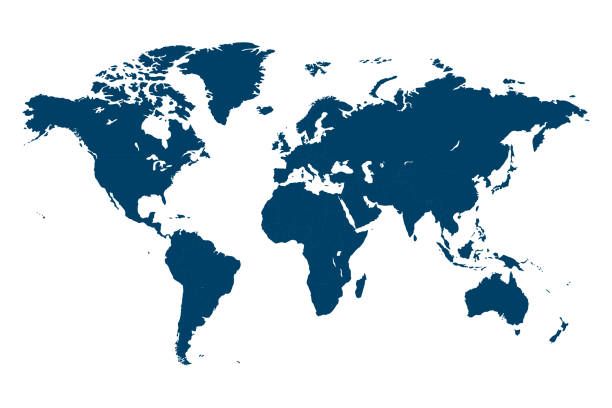
Currently, over 120 countries are members of the Hague Convention and recognise the apostille as a valid form of document certification. This includes most countries in Europe, the Americas, and several nations in Asia and Africa. Before initiating the apostille process, always verify whether the destination country is a member of the Hague Convention.
How to legalise a document for a country that does not accept the apostille
If the destination country is not a member of the Hague Convention, the apostille process does not apply. Instead, you must follow the traditional legalisation procedure, which typically involves submitting the document to the destination country’s embassy or consulate for authentication.
We specialise in sworn translations. If you need a translated and apostilled document, contact us—we’ll provide a personalised quote within one hour.