
Difference between translation and interpretation: What sets them apart?
July 19, 2024
The Hague Apostille: Everything you need to know
October 11, 2024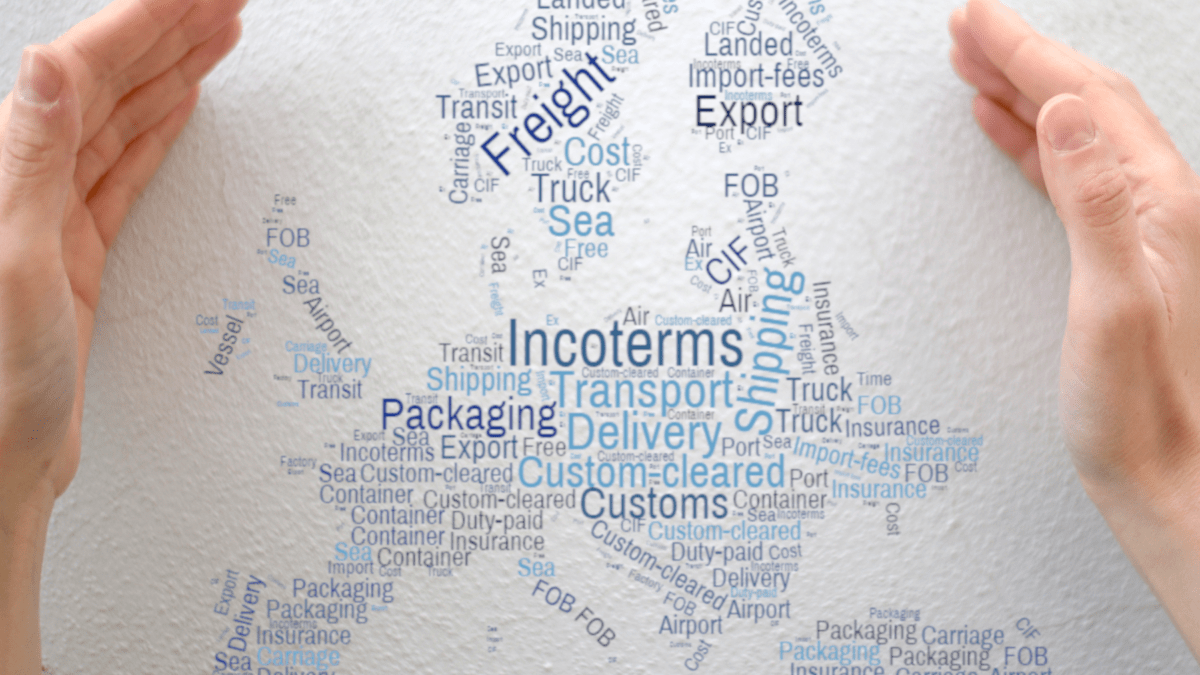
What are Incoterms? They are a set of rules that define the delivery terms of goods in international sales contracts. These terms, developed by the International Chamber of Commerce (ICC), are widely used to avoid misunderstandings between buyers and sellers in global trade.
First introduced in 1936, Incoterms have been revised and updated several times. The latest version, Incoterms 2020, provides greater clarity on the responsibilities, costs, and risks each party assumes at every stage of the supply chain. Understanding Incoterms and how they work is essential for any business engaged in international transactions.
Understanding what are Incoterms and how they work
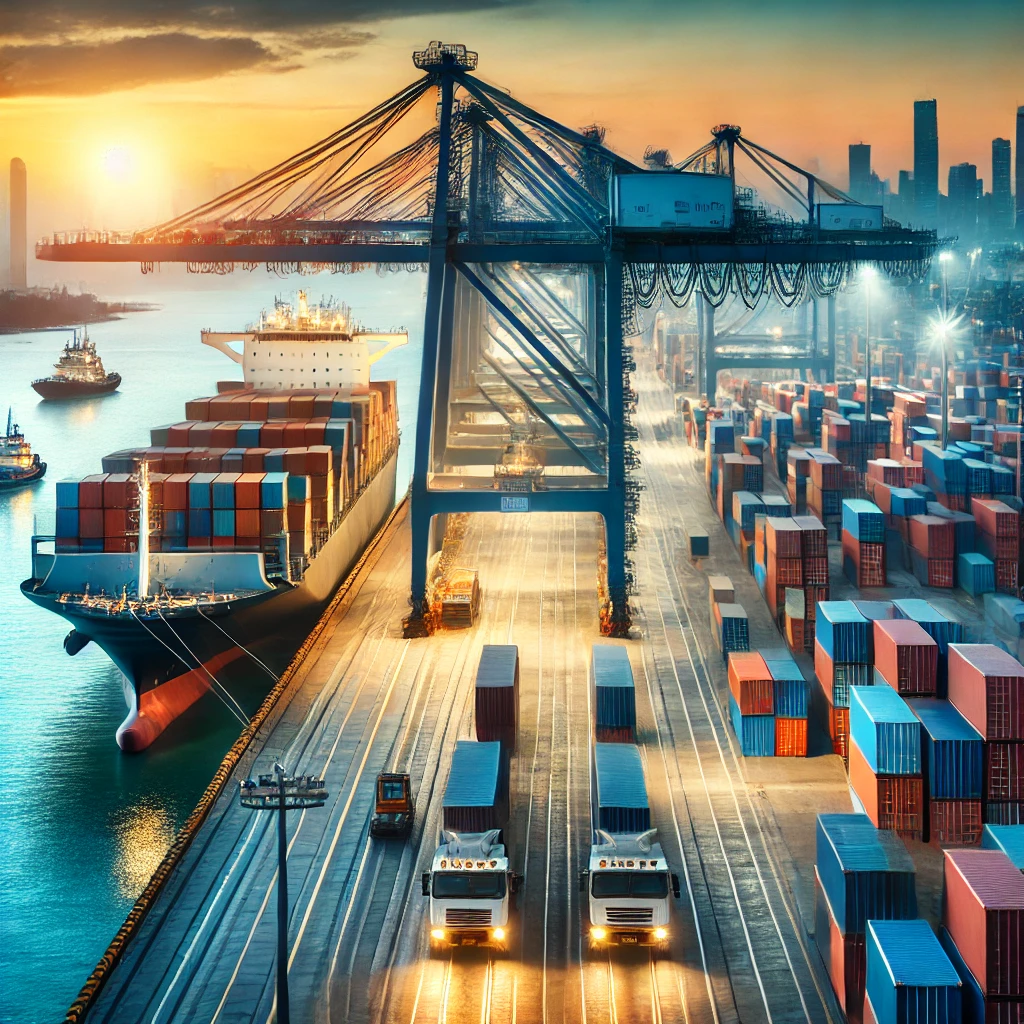
Incoterms determine who is responsible for the costs and risks associated with transporting goods from the seller to the buyer. They clearly define the point at which responsibility shifts from the seller to the buyer, covering aspects such as transportation, insurance, customs procedures, and final delivery.
Key elements covered by Incoterms
- Delivery of goods: Specifies the location and time at which the seller delivers the goods.
- Transport: Defines whether the buyer or seller is responsible for arranging transportation.
- Risk: Identifies the point at which the risk transfers from seller to buyer.
- Customs clearance: Establishes who is responsible for handling export and import formalities.
Understanding Incoterms and how they work is essential for any business engaged in international transactions.
What are Incoterms used for today?
The 2020 version includes 11 Incoterms, grouped into two main categories: Those applicable to any mode of transport and those specific to sea and inland waterway transport. Among these, the most widely used include:
- EXW (Ex Works): The seller makes the goods available at their premises but is not responsible for transportation.
- FOB (Free on Board): The seller covers costs until the goods are loaded onto the vessel.
- CIF (Cost, Insurance, and Freight): The seller pays for transport and insurance up to the port of destination.
- DAP (Delivered at Place): The seller bears all costs until the goods are delivered to the agreed destination.
When should you use Incoterms and what are Incoterms for?
Incoterms are used in international sales contracts to clearly define the responsibilities of both parties. It is essential to choose the right Incoterm depending on the type of goods, destination, and the level of control each party wants over transport and costs. To simplify the selection process, you can consult the Incoterms® 2020 Guide: Checklists and Flowcharts.
Key differences between Incoterms 2010 and Incoterms 2020
The 2020 revision introduced several significant changes to better align with evolving practices in global trade. Key differences include:
- DAT changed to DPU: Delivered at Terminal (DAT) was renamed Delivered at Place Unloaded (DPU), to clarify that the delivery location does not need to be a terminal.
- FOB and CIF refined for maritime transport: These terms are now more specific to containerised maritime shipments and exclude other modes of transport.
We hope this article has helped you better understand what are Incoterms, what they cover, and how to choose the right one for your business. If you'd like to learn more about translating export documents, be sure to read our article Export Documents: Why They Need to Be Translated. And if you need assistance translating your international sales contract, feel free to contact us—we’re here to guide you through the process.