What is a sworn translator?
April 8, 2024
Difference between translation and interpretation: What sets them apart?
July 19, 2024
Specialised translation entails meticulously transferring technical, scientific, legal or other specialised content from one language to another with accuracy and precision, ensuring consistency in terminology while adapting to the specific linguistic and cultural conventions of the subject field in question. In this article, we will explore the intricacies of specialised translation, areas of expertise, importance and the tools used in managing specialised terminology.

Specialised translator
Concept of specialisation in translation
Specialisation in translation requires a profound understanding and expertise in a particular subject area, such as legal, medical, technical, or financial field. It requires not only solid linguistic skills, but also a deep understanding of the subject area and associated terminology, with the aim of conveying the original message to the target audience in a clear and comprehensible manner.
It is therefore essential for translators to specialise in a particular field in order to acquire the expertise required to provide quality services. The most common route is to pursue a master’s degree following completion of a university program. However, there is now an abundance of opportunities for specialisation through very useful training courses offered by numerous translation-focused companies.
Importance of specialised translation
Preserving accuracy and fidelity
Specialised translation is characterised by its commitment to preserving the accuracy and fidelity of the source text, ensuring that every term and concept is accurately conveyed in the target language. This task is fundamental for preserving the integrity of the original message and preventing any distortion or misunderstanding that may arise during the translation process.
Role of specific terminology
In specialised translation, the precise use of specific terminology plays a crucial role. Mastering terminology requires a profound understanding of the relevant subject matter. The complexity of terminology can present unique challenges, as each field possesses its own lexicon and linguistic norms that professional translators must adeptly navigate.
Impact of incorrect translation in specialised sectors
Incorrect translation can have serious consequences in specialised sectors such as medicine, law, or engineering. For example, a mistranslation of medical terms could result in a misdiagnosis or incorrect treatment, putting the patient’s health at risk. Similarly, in the legal field, an inaccurate translation could have significant legal repercussions, affecting the outcome of a case or the terms of a contract.
Cultural and linguistic adaptation
Cultural and linguistic adaptation is essential in specialised translation to ensure that the message is relevant and understandable to the target audience. This involves not only translating words and phrases, but also understanding and accurately conveying the cultural and linguistic nuances of the source language. Specialist translators must be aware of the cultural and linguistic differences between languages and adjust the text accordingly to meet the specific needs and expectations of the target audiences.
[...] It requires not only solid linguistic skills, but also a deep understanding of the subject area and associated terminology.
Areas of specialisation in translation
There are many types of specialised translation, for example:
Legal and sworn translation
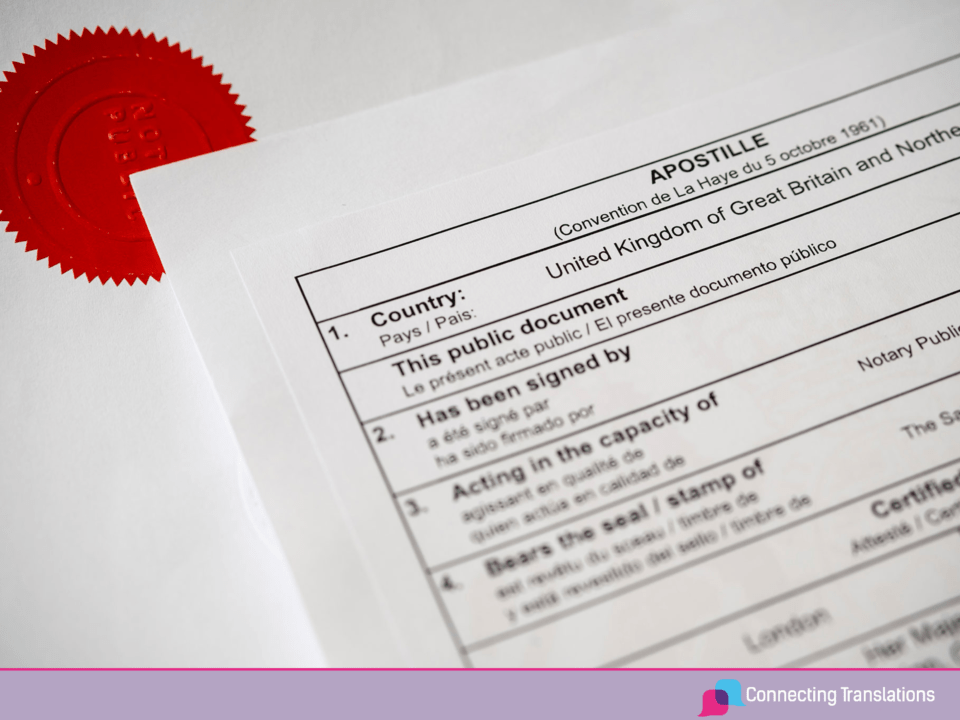
This refers to the translation of a wide range of legal documents, contracts, deeds, court rulings, and more, requiring utmost accuracy and fidelity to the original text. Sworn translation is performed by an officially recognised translator and is certified as faithful and accurate.
See our article What is a sworn translator? or more information.

Types of translation
Medical and pharmacological translation
This involves the translation of documents such as medical reports, clinical studies, drug package leaflets, among others. This specialised area requires a comprehensive understanding of technical vocabulary and medical terminology.
Technical translation
This involves the translation of a variety of technical documents including user manuals, technical specifications, patents, and more, across fields such as engineering, IT, electronics, among others. Proficiency in the relevant technical field is essential for accurate translation in this specialised area.
Financial and economic translation
This involves the translation of financial reports, balance sheets, audits, banking documents, and more. This type of translation demands precision and a deep understanding of financial and economic concepts.
Culinary translation
This consists of translating menus, recipes, descriptions of dishes and gastronomic products. It requires adapting the content to accurately convey the associated flavours and cultural characteristics.
Audiovisual translation
This includes the translation of various forms of audiovisual content, including films, series, documentaries, corporate videos. This can be achieved through subtitling, dubbing or voice-over techniques, ensuring effective and coherent communication across languages.
In audiovisual translation, proficiency is primarily rooted in the adept use of the appropriate techniques and tools for each task, rather than solely relying on terminology.
Editorial and literary translation
This involves the translation of a wide range of literary works, including books, novels, essays, academic articles, poetry, among others. It requires preserving the style, tone and voice of the original author, while accurately conveying the intention and meaning of the text.
Web translation and SEO
This focuses on the translation of websites and online content while optimising the text to improve its visibility in search engines (SEO). This task requires adapting content for different cultures and markets, as well as proficiency in SEO strategies.
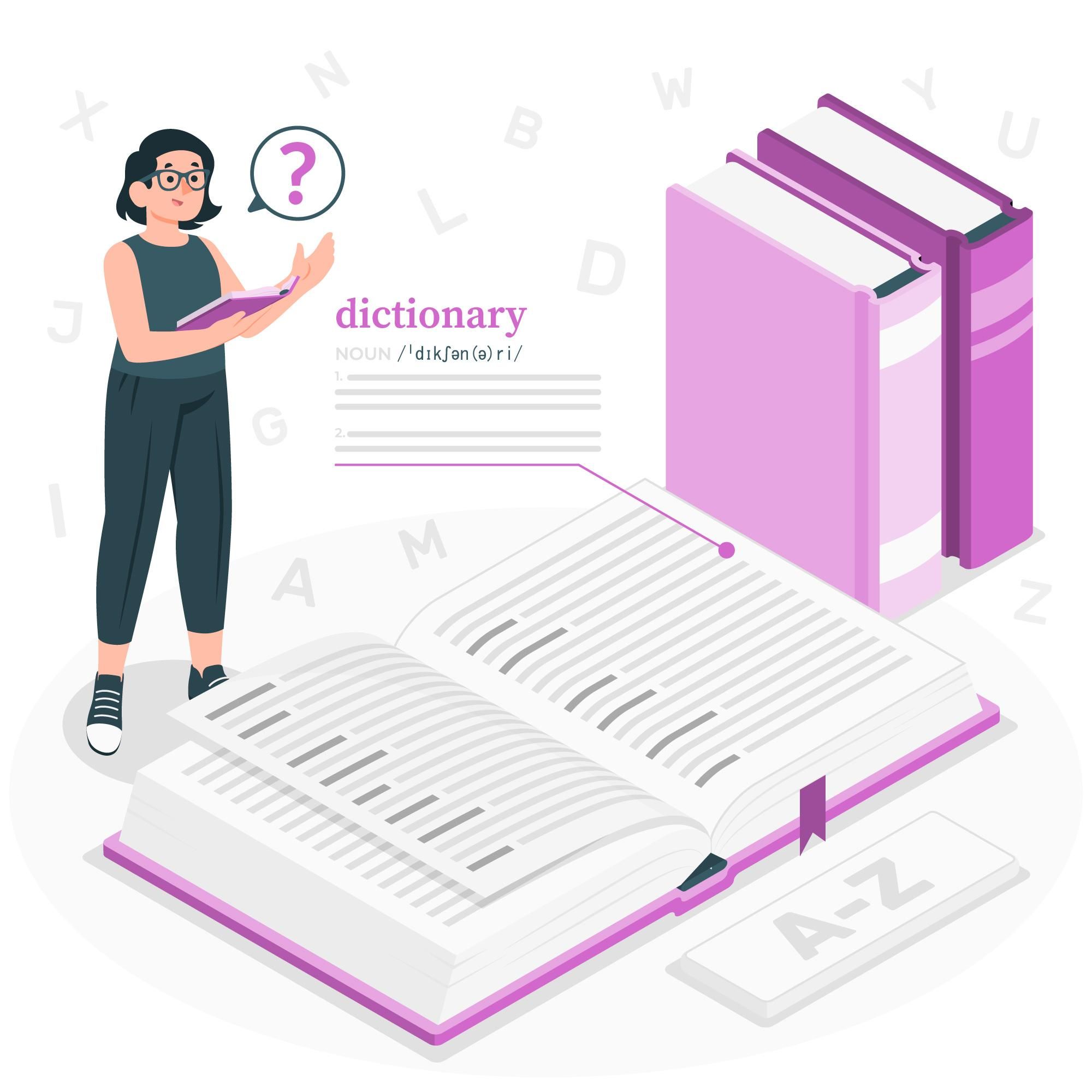
Specialised dictionary
Tools for specialised translation
Terminology resources
These resources include:
- Specialised dictionaries. For example, Diccionario de términos jurídicos Inglés - Español/Spanish - English (Enrique Alcaraz, Brian Hughes and Miguel Ángel Campos).
- Terminology databases such as IATE (InterActive Terminology for Europe)
- Thematic glossaries. While many may be found on the Internet, translators often compile their own glossaries based on their projects. Additionally, clients may provide translators with specific thematic glossaries.
- Technical encyclopaedias. Many of these can also be found online, covering various areas of specialisation.
Terminology resources enable translators to efficiently locate precise equivalents for specific terms, thereby ensuring consistency and accuracy in selecting the appropriate terminology.
Specialised translation at Connecting Translations
At Connecting Translations, we specialise in providing expert translations across various specialised fields:
- Connecting Legal: Offering innovative legal and sworn translation services, our comprehensive suite includes translation and interpreting services, as well as legal and linguistic advice.
- Audiovisual translation: We specialise in video translation and subtitling. We work with specialised translators and native speakers well-versed in all relevant aspects of this field.
- Website translation: We assist companies in expanding their international reach and effectively communicating with multicultural audiences around the world.
- Audio or video transcriptions: Our team excels in accurately capturing spoken content and converting it into written text.
- MT QUALITY Diagnosis: Our service evaluates the quality of machine translations through a series of detailed analyses.
Conclusions
In conclusion, specialised translation plays a crucial role in global communication, ensuring the accuracy, relevance and fidelity of specialised texts across diverse fields. The importance of having highly qualified professionals in this field cannot be underestimated.
At Connecting Translations, we specialise in a wide range of areas. Our commitment to quality and excellence enables us to provide specialised translation services tailored to the specific needs of our clients, thereby fostering success and facilitating effective communication in an increasingly globalised world. Please do not hesitate to contact us if you need a translation.
Frequently Asked Questions
What does specialised text translation entail?
Specialised text translation involves accurately conveying information in specific domains, such as medicine, law or technology with precision and accuracy.
How does specialised translation differ from general translation?
Specialised translation focuses on a specific subject area and requires in-depth knowledge of the field, while general translation covers a wider range of subjects with simpler terminology.
What are the various types of translation?
Translation types include literary, technical, legal, medical, financial, and audiovisual translation, among others.
What is professional translation?
Professional translation involves accurately and fluently transferring text from one language to another, using linguistic skills and specialist knowledge acquired after several years of study, such as a degree in translation and interpreting or philology, combined with extensive professional experience.