Content requiring translation by companies
February 20, 2024
What is specialised translation?
April 16, 2024
A sworn translator plays a key role in bridging intercultural communication gaps, particularly in legal, administrative and commercial contexts where accuracy and faithfulness to the message are crucial. In this article, we will delve into the intricacies of sworn translators, examining their roles and responsibilities and the importance of their contributions across various contexts. In addition, we will discuss the requirements for entering the profession, discerning between sworn translation and ordinary translation practices. Lastly, we will discuss a topic of interest to all of us: Rates.
Table of contents
- Sworn translator
- Roles and responsibilities of the sworn translator
- Importance of sworn translation
- Requirements for becoming a sworn translator
- Sworn translation process
- Documents that usually require sworn translation
- Rules and regulations for sworn translation
- Rates for a sworn translator
- Conclusions
- Frequently Asked Questions

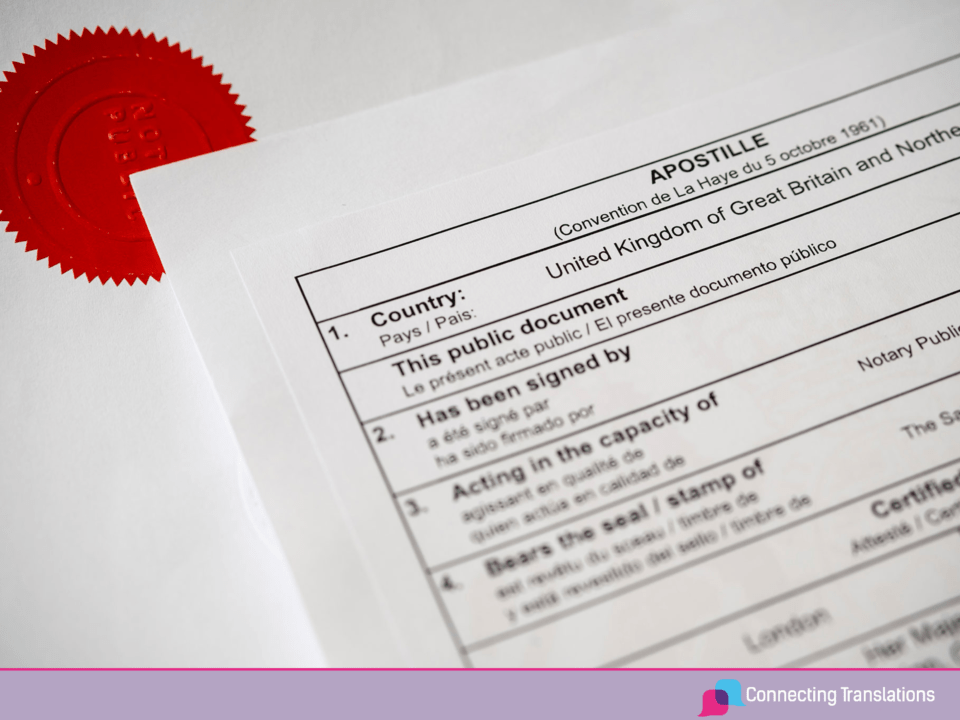
A sworn translator certifying a translation
Sworn translator
A sworn translator is a certified and officially recognised professional entrusted with the task of translating official documents from one language into another, ensuring their legal validity. This role is crucial in ensuring the accuracy and authenticity of translations, particularly in legal and administrative contexts.
Roles and responsibilities of the sworn translator
The roles and responsibilities of the sworn translator extend beyond mere translation. They must certify that the translated document faithfully represents the original and holds legal validity. They are also responsible for ensuring terminological accuracy and linguistic consistency, while safeguarding the confidentiality of the information within the documents.
Importance of sworn translation
Sworn translation serves as a vital tool in overcoming language barriers across diverse contexts such as legal proceedings, international business transactions, academic study abroad programs and court proceedings. By enabling effective communication between individuals who speak different languages, sworn translation ensures the accurate and reliable conveyance of information.
Requirements for becoming a sworn translator
To become a sworn translator, individuals must meet certain requirements mandated by the competent authorities in their jurisdiction. These requirements commonly include obtaining a university degree in translation and interpreting, passing an official certification exam and taking an oath before a court or governmental body to uphold the responsibilities of a sworn translator.
Sworn translator in Spain
In Spain, individuals must adhere to a specific process established by the Ministry of Foreign Affairs, European Union and Cooperation to become a sworn translator.
- Training in Translation and Interpreting: It is advisable to pursue a university degree in Translation and Interpreting or a related language and translation field.
- Language proficiency: It is essential to possess an advanced level of proficiency in at least two languages: Spanish and another foreign language.
- Preparation for the sworn translator exam: The Ministry of Foreign Affairs conducts periodic exams to obtain the title of sworn translator. Candidates must register for this exam and prepare adequately to pass it. The exam consists of written and oral tests in both languages.
- Passing the exam: Upon successfully completing the sworn translator’s exam, the translators will receive the official qualification enabling them to work as a sworn translator in Spain.
- Registration in the Register of Sworn Translators: Upon completion of the aforementioned procedure, the translators' inclusion in the Register of Sworn Translators of the Ministry of Foreign Affairs will authorise them to practice legally as a sworn translator in Spain.
A sworn translator is a certified and officially recognised professional entrusted with the task of translating official documents from one language into another, ensuring their legal validity.
Sworn translation process
The sworn translation process adheres to a specific series of steps aimed at guaranteeing the accuracy and legal validity of the translation. This involves a meticulous review of the original document, translation of its content by the sworn translator, certification of the translation and delivery of the final document to the client.
Documents that usually require sworn translation
Documents commonly requiring sworn translation include birth, marriage and death certificates, academic diplomas, legal contracts, identity documents and many more. Nowadays, sworn translation may be requested for practically any type of document, irrespective of its field of origin.
Rules and regulations for sworn translation
Sworn translation is governed by specific rules and regulations that differ across countries and jurisdictions. These regulations establish the standards and requirements that sworn translators must adhere to in their practice, as well as the procedures for the certification and validation of translations. In Spain, the applicable regulation is Royal Decree 724/2020.
Main differences between sworn translation and ordinary translation
- Legal validity: A sworn translation carries official legal validity, certified by a sworn translator authorised by the competent authorities. In contrast, an ordinary translation lacks this legal certification and may not be accepted in formal or legal situations.
- Certification: A sworn translation is accompanied by an official certification by the sworn translator, affirming the accuracy and faithfulness of the translation with respect to the original document. Conversely, an ordinary translation lacks this specific type of certification.
- Use and purpose: Sworn translation is mainly used in legal, administrative and official contexts, where an officially recognised and valid translation is required, while ordinary translation can be used in more general contexts, including informal communication or the translation of unofficial documents.
- Translation process: The sworn translation process adheres to a series of specific steps established by the competent authorities, including a meticulous review of the original document, translation by the sworn translator, official certification of the translation and stamping and signing of all pages, including the attached copy of the original document. In contrast, the process of ordinary translation may be less formal and typically does not require official certification.
- Legal liability: Sworn translators bear a legal responsibility for the accuracy and faithfulness of the translation. They may be required to testify regarding the accuracy of the translation in legal disputes, whereas non-sworn translators do not have this legal responsibility and are not subject to the same regulations and standards.
- Price: Sworn translations typically entail higher rates compared to ordinary translations. This is attributed to the additional certification requirements and the legal responsibility shouldered by the sworn translator.
Rates for a sworn translator
Rates for services provided by sworn translators are contingent upon several factors, including the word count, document complexity, language combination and project urgency. It is important to request more than one quote and compare rates before making a decision. As an example of our pricing structure, our rates per word for sworn translations range from approximately €0.11 to €0.20 per word.
Conclusions
The sworn translator plays a crucial role in intercultural communication and adeptly bridging language barriers across diverse legal, administrative and commercial contexts. Their meticulous work ensures the accuracy and authenticity of translations, thereby fostering effective communication between people who speak different languages.
Connecting Translations is your go-to agency equipped with sworn translators proficient in all languages. Whether you require the translation of official documentation or are uncertain about the type of translation needed, do not hesitate to contact us. We are here to assist you every step of the way.
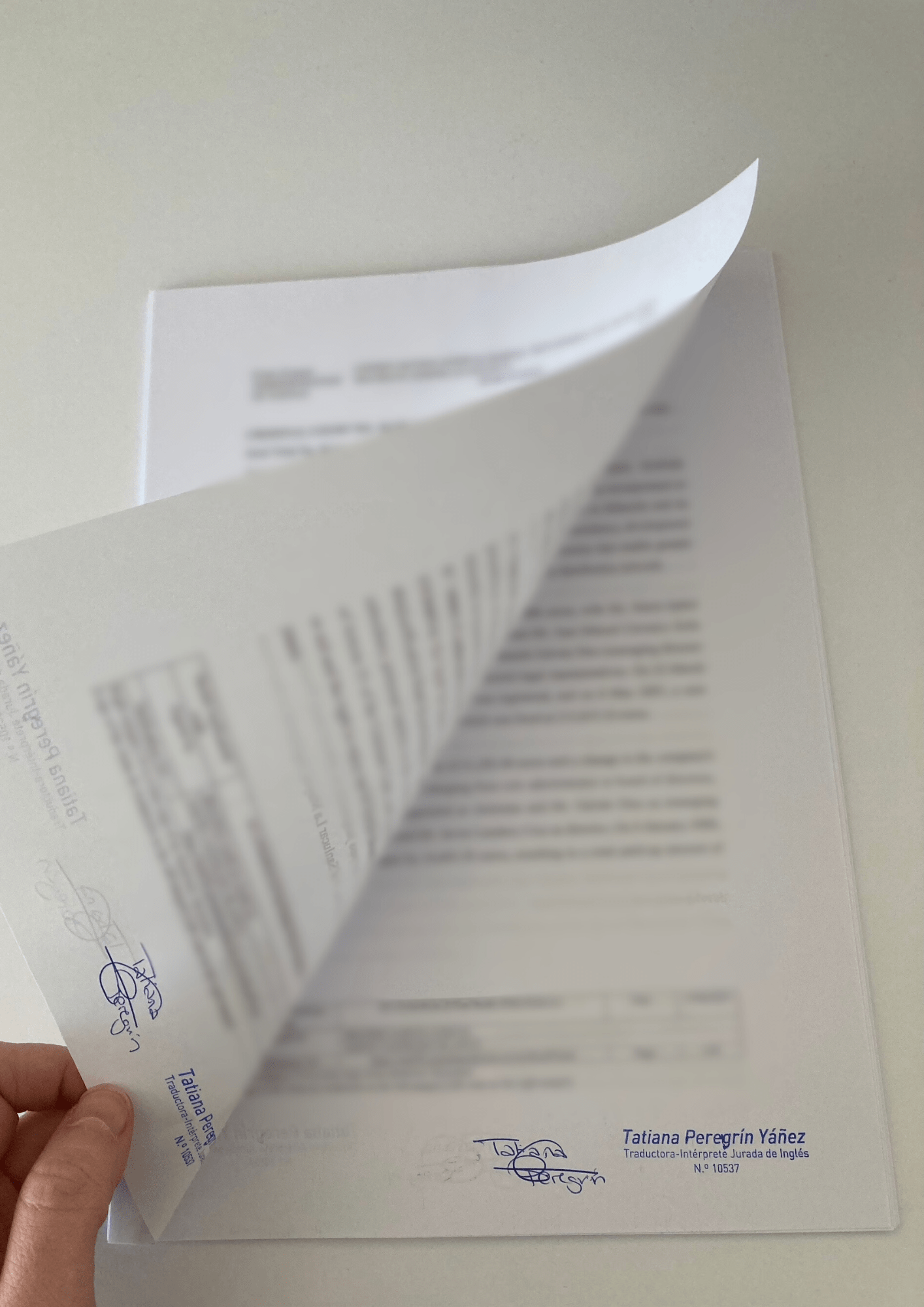
Signature and stamp of a sworn translator
Frequently Asked Questions
What is the difference between a sworn translator and a non-sworn translator?
The main difference lies in the official certification and legal validity of translations conducted by a sworn translator, whereas standard translations do not require this type of certification.
Which documents need a sworn translation?
The most common documents that usually require sworn translation include birth, marriage and death certificates, academic diplomas, legal contracts and identity documents.
Where can I find a sworn translator?
Through the Ministry's sworn translator online database or by contacting translation agencies that handle the entire process for you.